

The Beauty Hidden in Brokenness
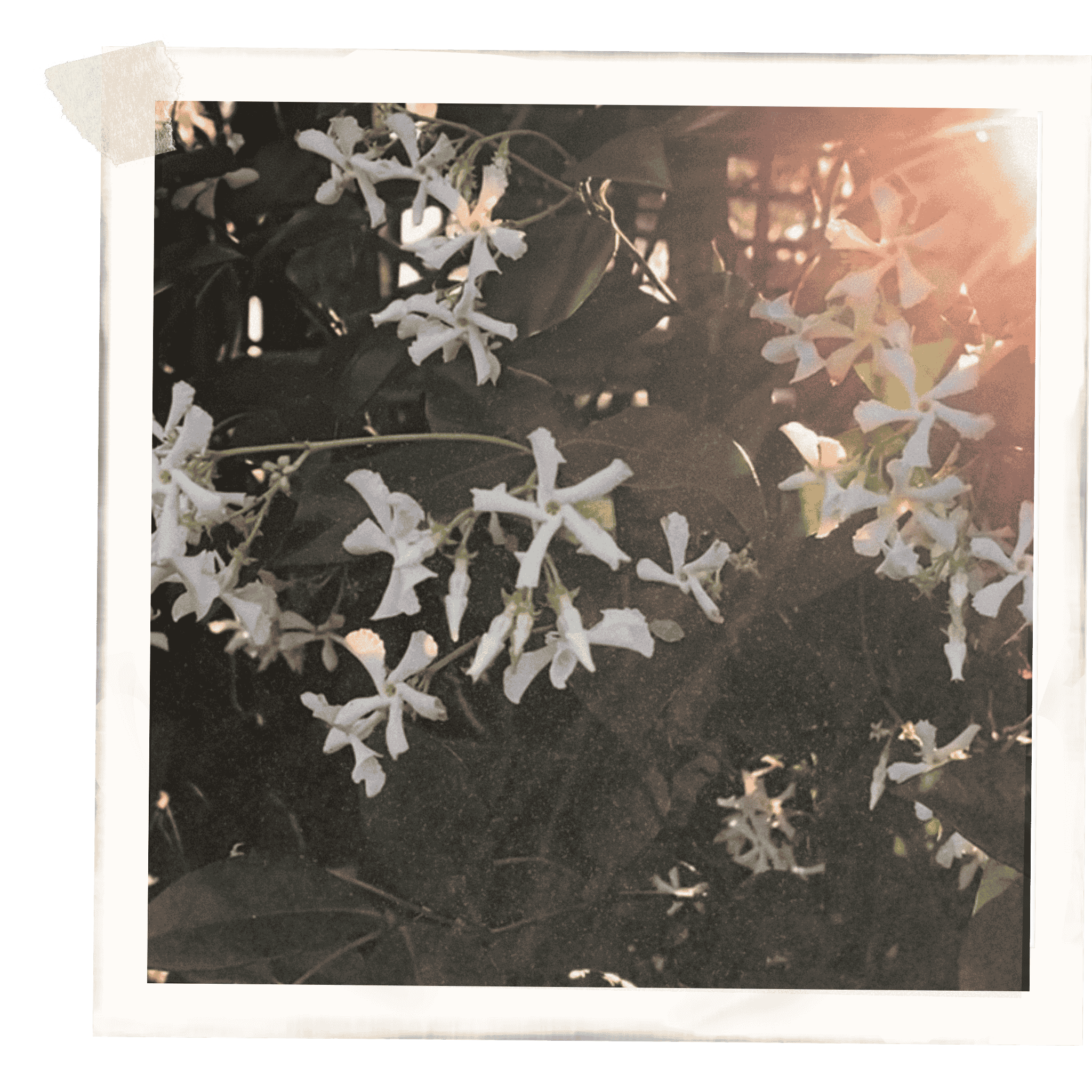
I didn’t notice the jasmine until the night I nearly drowned in my own tears.
There it was—a cascade of white petals, glowing in the dark, unfolding as I unravelled.
I would later learn that the deepest wounds become the richest soil.
But that night?
I was still bargaining with the pit, still clinging to the way it held my pain, like a sacred relic.
“I see you’re in your hole again”
she said, sitting across from me—notebook in hand, pen poised. A flicker of frustration danced in her eyes. I froze. Her words landed like a slap. My heart pounded. My chest flushed with heat and fury.
How could she ask that? My life had fallen apart—I was walking through ashes, drowning, gasping for air in a sea of pain.
I wanted to shout at her, “Of course I’m in my hole! Where else could I be!?”
I don’t remember what I said—if I said anything at all. I just remember wanting the session to end, so I could crawl into the safety of my car and seethe in private.
Her words felt cruel. Dismissive. My life had crumbled to dust. My soul was threadbare. I wanted softness. Understanding. I wanted her to sit in the darkness with me and whisper, “I know. It’s unbearable.”
Insulted and indignant, with hot, angry tears streaking down my face, I drove home.
How dare she insinuate that I was playing the victim? I was a victim. Look at what had happened to me. Haven’t you heard my story?
As if I’d chosen this pain. As if I hadn’t cried myself to sleep,night after night, praying for relief.
As if I hadn’t done everything in my power just to survive.
I was the one who had been hurt. Betrayed. Discarded.
To be told I was playing the victim felt like an insult— like she was brushing off the agony I had lived through, like she was saying it was my fault.
And that cut deep.
Instead of offering empathy, she reached for truth, and it felt like betrayal.
At first, I didn’t even want to entertain the thought that I might be living from a victim mindset. I rejected it every time it surfaced. I would justify my pain and shove the thought straight back where it came from.
And yet…
Somewhere beneath the sting, a quiet knowing stirred. And slowly, a seed of truth began to sprout— until I couldn’t ignore it.
Okay… I’ll at least admit she was right. I was in a hole.
A deep, dark one—carved by grief, despair, and the belief that I was powerless.
And maybe…maybe her words were not a weapon, but a wake-up call.
After that session, after the anger, the embarrassment, and the tears of frustration had subsided, I began to sit with some uncomfortable questions.
Was I offended because she lacked empathy… or because she touched a truth I didn’t want to face?
Had I started to believe that my suffering gave me identity?
Had I, somewhere deep down, become attached to my pain?
Did staying in the pit somehow prove how deep the wound was—how real the betrayal, how unfair the story?
It’s strange, isn’t it… how the pit can start to feel familiar. Almost comforting. I realised it was because the pit didn’t ask anything of me.
It didn’t ask me to rise or forgive or stretch, or risk or become.
It let me sit—curled up in my justifications, my sorrow, my blame.
It protected my ego and shielded me from the terrifying work of actually healing.
Because healing…healing asks more.
It asks us to remember that the door to the prison is already open.
That we were born to rise.
That we were created not to sit on thrones of ashes, but to walk in wild, holy freedom.
Because healing would mean admitting I had power all along.
And that kind of responsibility? That’s heavy.
It’s easier—far easier—to say,
“They hurt me.”
“This isn’t fair.”
“I’m too broken.”
Those narratives ask nothing of us. They validate our pain, yes…but they also keep us stuck.
And did I still want to be stuck?
I started to wonder:
Why do we crave sympathy more than freedom?
Why would I rather someone sit in the dark with me and say, “Yes, it’s awful,” than stand outside the tomb and cry, “You don’t belong here! — there is life beyond this grave”?
Because sympathy is soft and warm — but freedom is wild and brave.
I believe deeply in the healing power of empathy. Empathy connects souls, softens wounds, and speaks to the aching places within us.
But sometimes…sometimes it is not gentle sympathy that frees us. Sometimes it is the raw, unvarnished truth that opens our eyes and sets us free.
I desperately needed someone to validate the war raging inside my heart. Someone to tell me it was okay to feel shattered—that hope still existed, even when I couldn’t see it.
But with time and perspective, I started to see:
There is a fine line between compassion and captivity.
A victim mindset often thrives in that blurry in-between. It grows when we stay too long in spaces that offer comfort without challenge. When the stories we tell ourselves (and repeat to anyone who will listen) reinforce our powerlessness, they can keep us stuck in suffering much longer than necessary.
I had people walking with me through my pain. But something was still missing.
If I were going to take back my power, rebuild my life, and find my way out of that hole, what I also desperately needed was empathy balanced with truth.
And if I was going to truly heal, I had to be willing to trade temporary comfort for lasting change.
I had to stop sipping the stew of self-pity, resentment, and comparison—because while it numbed the pain, it also stole my power.
And most confronting of all? I had to admit: I wasn’t just in the pit…
I had been feeding it.
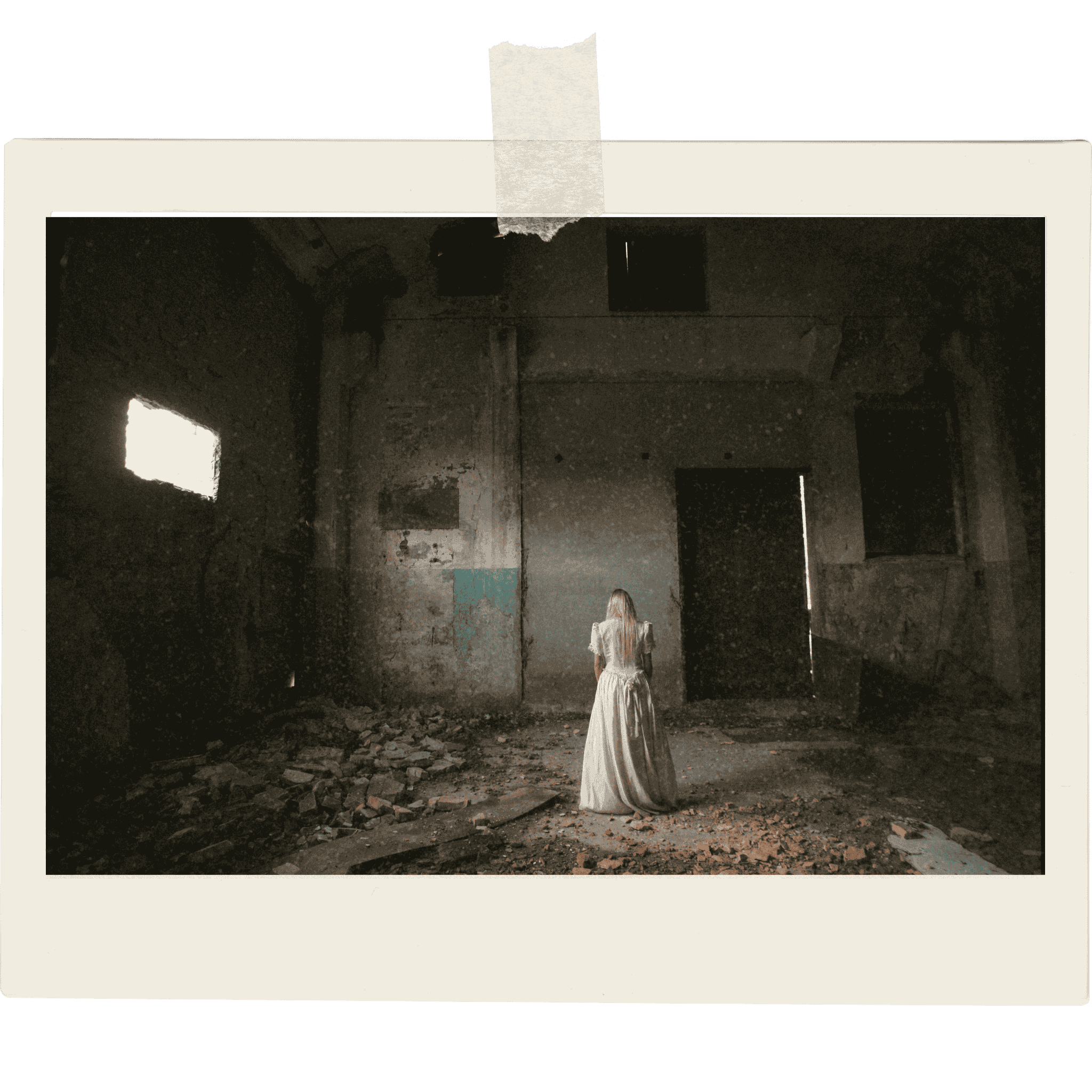
I had made a home there — hung curtains of blame, lit candles of resentment, and adorned the walls with the names and faces of those I that had wronged me.
It became a kind of shrine — and without realizing it, I was worshipping the very thing that was keeping me bound. My heart and thoughts fixated on every wound, every disappointment, every injustice like a sacred liturgy.
I was consumed by it.
Devoted to it.
Defined by it.
Because worship isn’t just song or prayer
— it’s whatever we give our attention, our energy, our allegiance to. And the more I sat with that truth, the more it undid me. The bitter stew was poisoning my soul… but still, I drank.
Until something cracked:
Not with thunder, not with shame — but like a window slowly opening to let the light back in.
And somewhere deep in my spirit, a whisper rose:
“You are more than what hurt you”
“This pain is not who you are.”
“You were made for more than just survival.”
“You were made for the light.”
It felt almost impossible to let go of the mindset I had clung to. It was familiar. Like a childhood blanket — tattered, but safe. I had wrapped myself in it for so long, it felt like part of me.
Because for a time… my pain was sacred ground.
It gave me meaning.
It made sense of the chaos.
It became identity.
Letting go of it felt like letting go of myself. And in many ways — it was. It was the death of the old me. The victim me.
But what if… just for a minute, I did?
What if I slipped into a Victor’s mindset — for just a breath?
Like pulling on a sun-warmed robe after years wrapped in sackcloth and sorrow — just to see how it felt?….I could always take it off again.
What would it feel like to…
Stand tall, unbent by the pit’s shadows?
Breathe deep, free from the stale air of old pain?
Unclench my fists and let the ashes of what happened be carried away on the wind?
What if my mind wasn’t a battlefield, but a meadow?
No more trenches carved by blame.
No more landmines of if only.
Just quiet.
Just soil soft enough to plant something new.
I could almost feel it — that first, terrifying breath of a free heart.
No barbed wire.
No guard towers
Just the wild, trembling risk of a heart beating unguarded.
So I tried it.
Just for a moment.
I began to loosen the scratchy threads of my suffering — one by one — until the sackcloth slid from my shoulders. And there I stood — bare, trembling — until I reached for the robe I’d been offered all along. And when I wrapped myself in it…
Oh.
The weightlessness.
The scandalous warmth.
The way the fabric moved with me instead of against me.
This is what I’d feared?
This lightness?
This quiet?
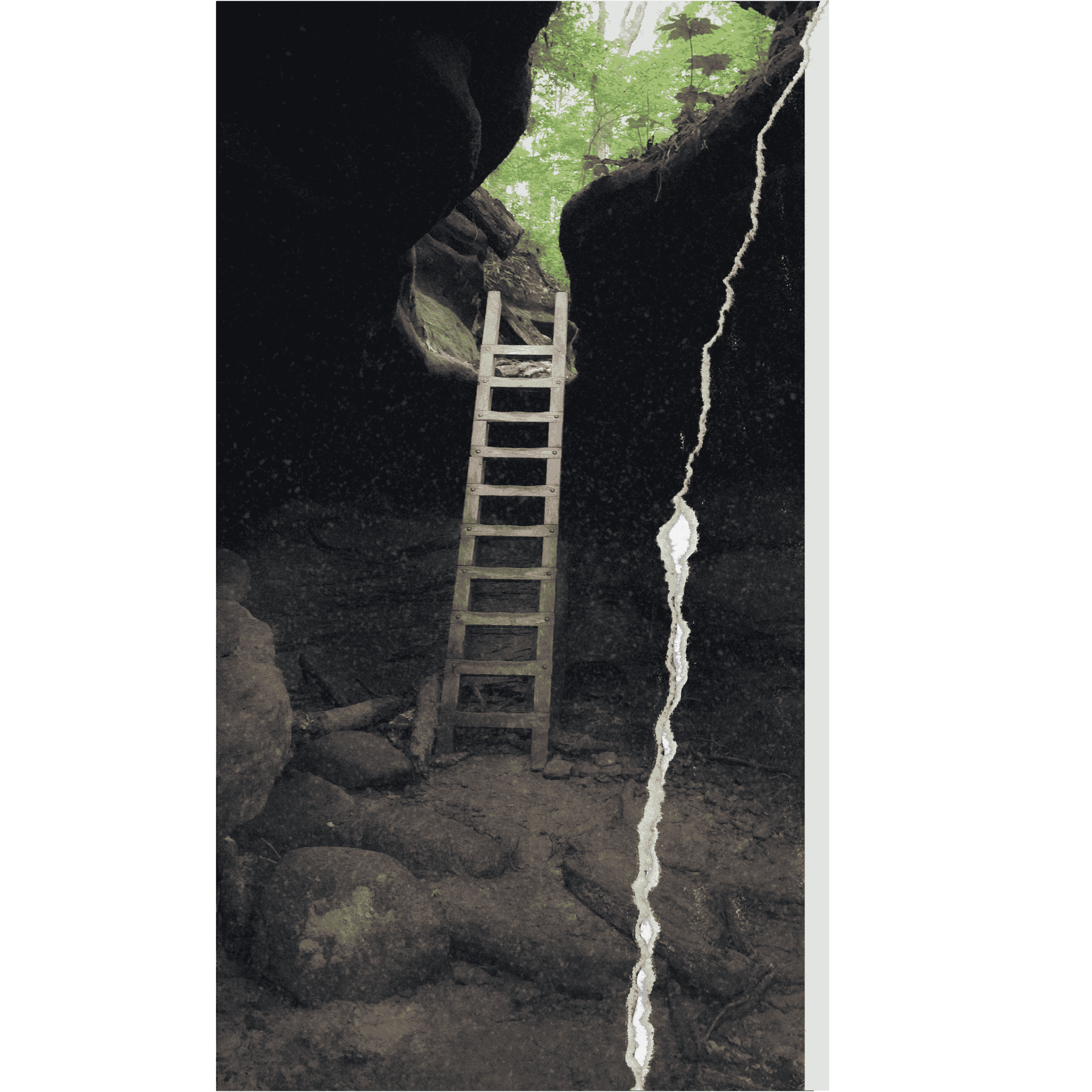
The dark walls of the pit still surrounded me — but for the first time, I noticed the ladder.
Rung by rung,
question by question,
I began to climb.
What if I traded…
My anger for serenity?
My turmoil for stillness?
My shrine of wounds for an altar of surrender?
My fear for faith
The higher I rose, the more the light touched my face. Not the harsh glare of “get over it,” but the golden glow of getting through.
And then I knew:
The door was never locked.
I’d just been kneeling too low to see the handle.
I began to notice things I’d missed before —
The way sunlight slanted through my window in the late afternoon, the clear blue sky after rain, and then, one hushed evening… I saw it.
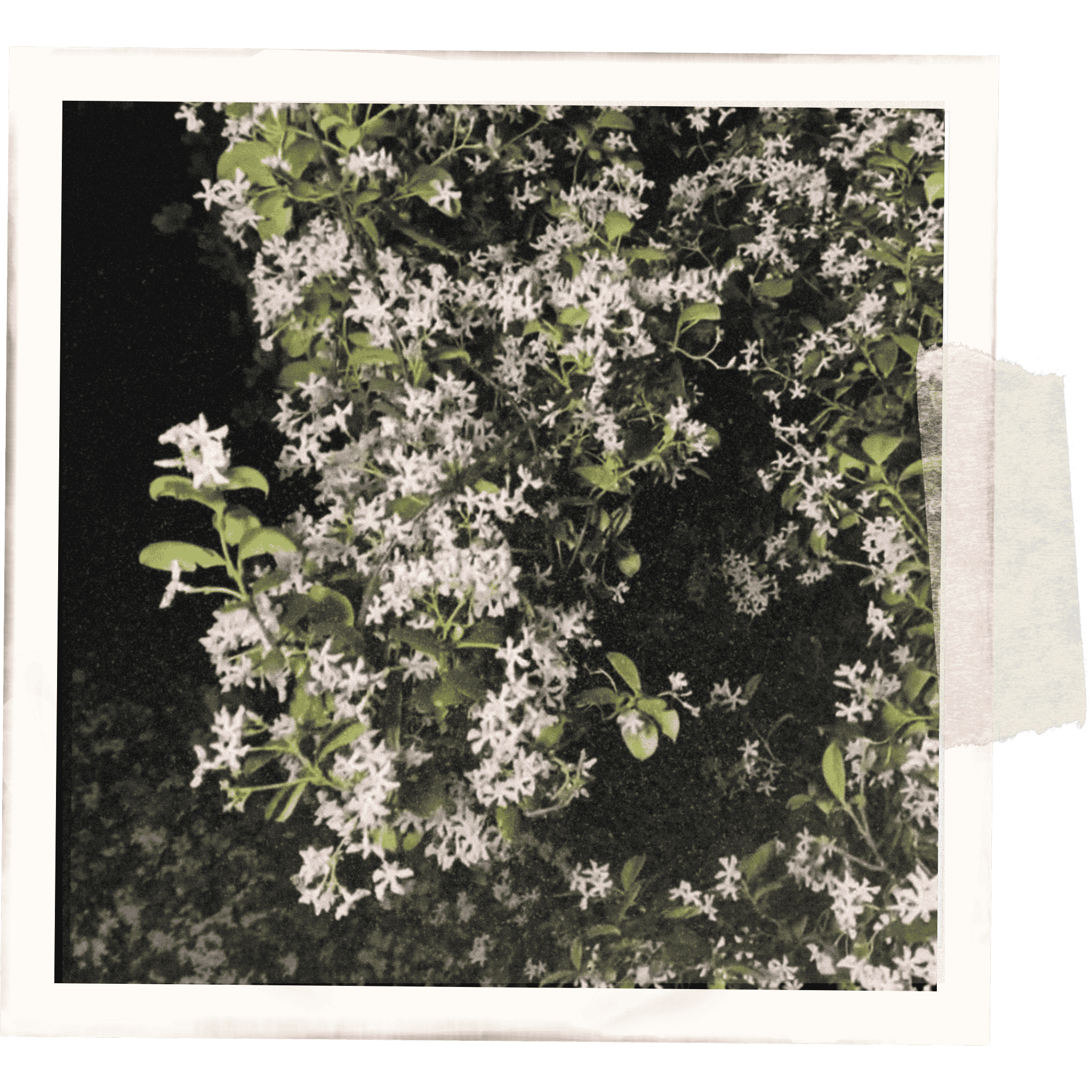
My jasmine — not just blooming, but overflowing.
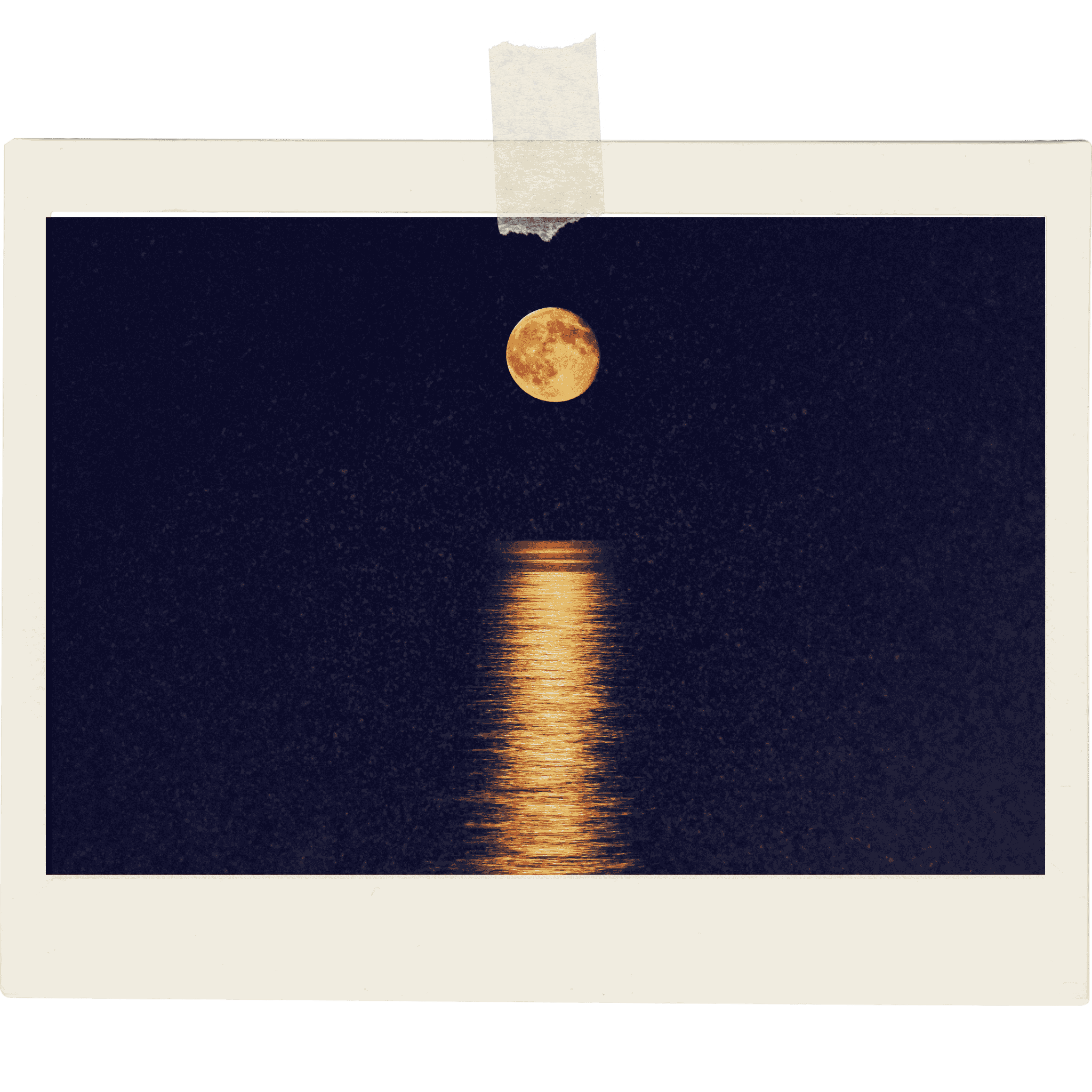
It had climbed the great jacaranda tree outside my window, tangled itself in every branch, and now cascaded down in a waterfall of white, each blossom glowing like a tiny cup of moonlight.
It took my breath away.
This—this was beauty uncontained.
Unreasonable.
Undeserved.
And it had been growing here the whole time.
How long had it been blooming, while I kept my eyes on the ground? How many nights had it offered its perfume to a heart too closed to receive it?
But tonight, the air was thick with its scent, and something in me split open.
This was my pain now—not the poisonous vine I’d nursed in the dark,
but this: a divine eruption of beauty from pain
fragrant.
luminous.
Unfurling in the same soil I once mistook for a grave.
I reached to touch a blossom, half-expecting it to wither under my fingers.
But it held.
Soft. Alive.
A living psalm where the wound had been.
And in that moment, I understood: God had never asked me to bury my pain — only to plant it.
The pit, the ashes, the sackcloth — they were not my enemies.
They were compost.
Dark and holy ground where something sacred could take root.
And here it was: Cascading. Radiant. Undeniably alive.
I breathed in the jasmine, its sweetness a covenant:
What you surrendered, I have transformed.
What you feared was poison,
I have made perfume.
I stood there until the dew came, a Victor drenched in moonlight, wearing my scars like petals.
So I ask you — lovingly, gently, but boldly:
Have you made an agreement with captivity?
Have you bowed to fear as if it were your king?
Are you rehearsing your victory speech for a war you refuse to fight?
Have you learned to love the walls of your prison, mistaking their embrace for shelter?
Are you waiting for the world to apologise before you unclench your fists?
Have you mistaken numbness for safety?
Have you grown so used to the pit, you’ve forgotten there’s a sky?
If so — it’s okay.
We all do it.
We all find ourselves in pits sometimes.
But you don’t have to stay there.
The light is waiting.
And so is the wild, beautiful freedom that comes when you stop sipping the stew of self-pity, resentment, and fear and start choosing the truth instead:
You are not powerless. You are not forgotten.
You, dear one are made for victory.
And the same God who walks with you into the valley — walks with you out.
I still return to that moment sometimes— the jasmine’s scent, the ladder’s light. Not because I’ve mastered the climb, but because I now know beauty grows even from broken ground. And every dawn, I choose the scent of jasmine over the taste of ashes. Light over shadow.
Love over fear.
Faith over despair.
Peace and hope over blame.